
Meet our National Council of Elders
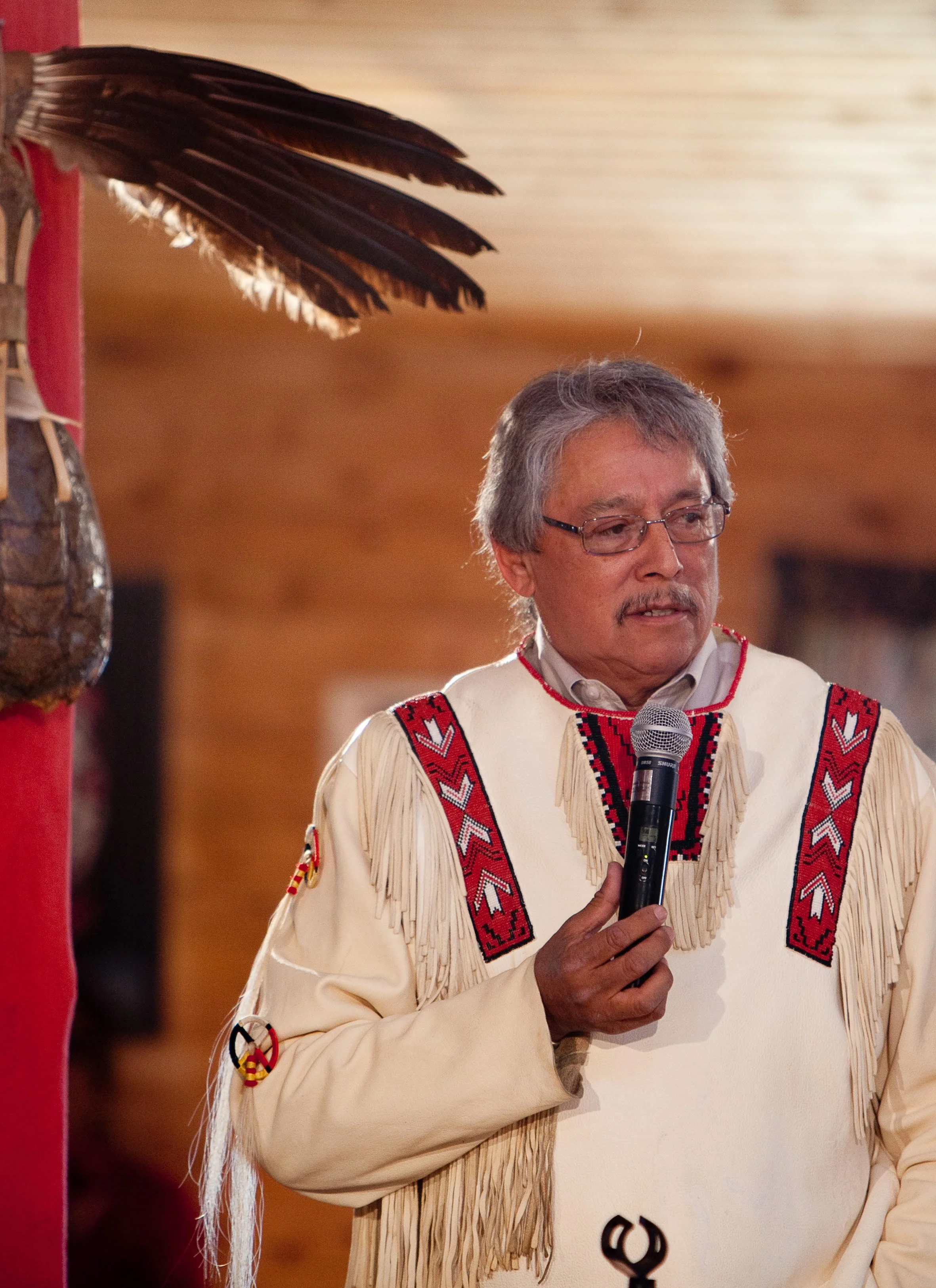
The Late Elder Nii Gaani Aki Inini
January 30th 1950 – December 8th 2021
Elder Dr. Dave Courchene — Nii Gaani Aki Innini (Leading Earth Man) — was a respected Elder and Knowledge Keeper of the Anishinaabe Nation who devoted his life to sharing Indigenous knowledge, carrying a message of hope, peace and environmental stewardship. From lighting the sacred fire at the United Nations Earth Summit in 1992, to sharing the stage with spiritual leaders, including the Dalai Lama, Elder Dr. Courchene’s leadership had a global influence. His impact and legacy lives on today through those who were fortunate to hear his voice and the messages and teachings he so willingly shared with all people throughout his life.
In 2002, he founded the Turtle Lodge International Centre for Indigenous Education and Wellness, a sacred lodge recognized internationally and by the Assembly of First Nations and the Assembly of Manitoba Chiefs as one of the most important gathering places for Indigenous peoples in Canada. Individuals from around the world continue to gather at the Turtle Lodge to facilitate intergenerational knowledge sharing, language revitalization, youth leadership training, and environmental solutions to climate change.
Considered a trailblazer, Courchene built alliances with institutions, academics, and policy makers across the country. His work has been recognized with many prestigious honours, including the INDSPIRE National Aboriginal Achievement Award in Culture, Heritage, and Spirituality; an Honorary Doctor of Laws by the University of Winnipeg, the Volunteer Manitoba Award for Outstanding Community Leadership; the International Award of Excellence; the Aboriginal Circle of Educators Award; and the International Indigenous Leadership Award.
He was a deeply respected Elder, known for his ability to inspire dialogue and cross-cultural understanding between Indigenous knowledge keepers and western-trained scientists. His leadership was rooted in generosity, kindness, and a desire for peace and sustainability.
He was a founding Elder of the Giigewigamig (pronounced Kee-gay-ga-mik) Traditional Healing Centre at the Pine Falls Hospital, which is independently managed by Elders from the Sagkeeng, Black River, Hollow Water and Bloodvein First Nations. Throughout his life, Elder Dr. Courchene played a vital role in promoting peace, cultural understanding, and environmental sustainability, both nationally and globally.
Elder Dr. Courchene entrusted his son, Knowledge Keeper David Courchene III (Sabe) to continue the leadership and work of the Turtle Lodge. Sabe has made the commitment, in honour of his late Father’s wishes, to continue the Vision of the Turtle Lodge and to help lead the Ceremonies and work of the Lodge alongside the National Turtle Lodge Council of Elders and Knowledge Keepers.
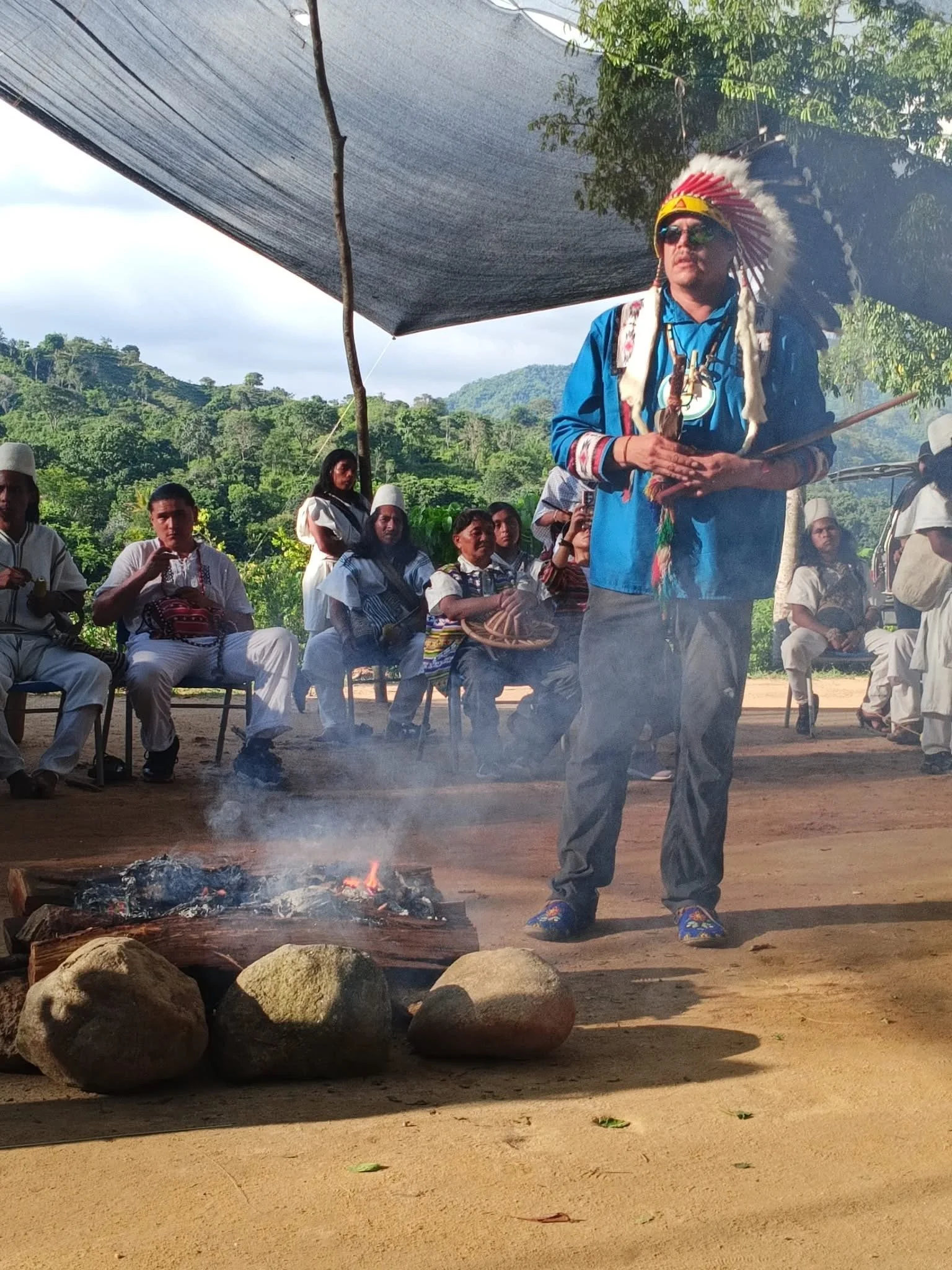
Zhizhoobii’igaade Giizhig Inini
Knowledge Keeper
David Courchene III
Anishinaabe Nation
Turtle Lodge LeaderDavid Courchene III (Painted Sky Man) is from the Eagle Clan and resides on Turtle Island, spending most of his time between two communities which he calls home – Sagkeeng First Nation and Biigtigong (Pic River) First Nation. He is the Leader of the Turtle Lodge International Centre for Indigenous Education and Wellness and is active in promoting the revitalization of the community’s Anishinabe culture and language.
David comes from a long line of leadership in the Anishinabek Nation. His father, the late Elder Nii Gaani Aki Inini (Dr. Dave Courchene) was the founder of the Turtle Lodge and a respected Spiritual Leader of the Anishinaabe Nation. His grandfather, and great grandfather served as political chiefs of his home community.
He was home-schooled for many years by his parents Dave and Orianna Courchene, where he was taught the importance of the traditional ways and Ceremonies of his people. He travelled around the world with his father, sharing the message of peace and promoting the environmental worldview of the Anishinabe people. He enjoys spending his free time with his wife, Lisa Michano-Courchene and four children hunting and fishing.
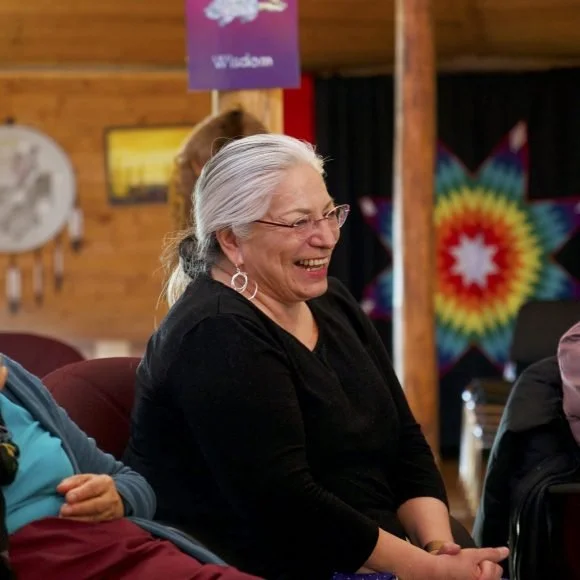
Mahpiya Ska Tiospaye
Grandmother Katherine Whitecloud
Dakota Nation
Knowledge Keeper Katherine Whitecloud, Mother and Grandmother, is a community leader and Knowledge Keeper from Wipazoka Wakpa (Sioux Valley) Dakota Nation.
Chosen at the age of 16 to represent her people, Katherine has been a spokesperson for her Nation for over 30 years. She has worked for her Community for over thirty years in several roles, including as Chief and Director of Education.
Knowledge Keeper Katherine Whitecloud was also CEO for the Assembly of First Nations, Director of the Assembly of Manitoba Chiefs, and Regional Chief of the Assembly of First Nations. Her work lies in ensuring the life and teachings articulated and envisioned by her forefathers is honoured and protected.
Knowledge Keeper Katherine Whitecloud is a member of the Turtle Lodge National Council of Elders and Knowledge Keepers.
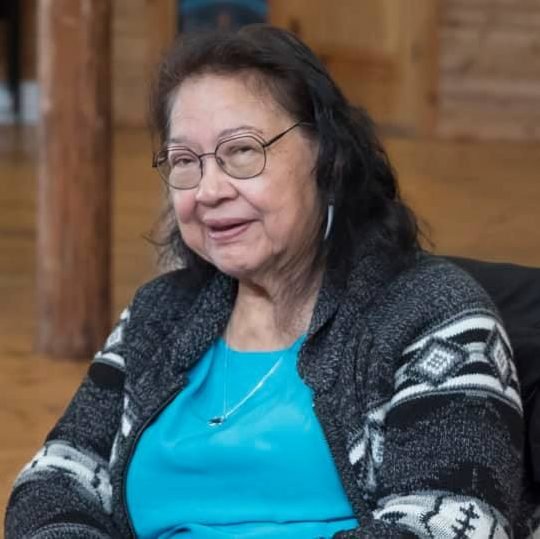
Ozhoshko Binesi Kwe
Grandmother Florence Painter
Anishinaabe Nation
“We have to stand up for Mother Earth and give her voice. She is one of our entities which continues to support us and provide all its resources to us.”
Knowledge Keeper Florence Paynter (Blue Thunderbird Woman) is from Sandy Bay First Nation and a band member of Norway House Cree Nation. She is a fourth degree Mide Anishinabekwe and holds a Masters Degree in Education from the University of Manitoba. Florence speaks Anishinabe fluently and has been involved in many language and cultural initiatives and ceremonies. She helps teach the cultural and spiritual knowledge and traditions of the Anishinabe people.
Grandmother Florence is a strong advocate for language and cultural initiatives, generously sharing the spiritual knowledge and traditions of the Anishinabe people. As a residential school Survivor, Elder Paynter passionately educates about its history and lasting impact, emphasizing the importance of knowing one’s heritage and language for self-pride.
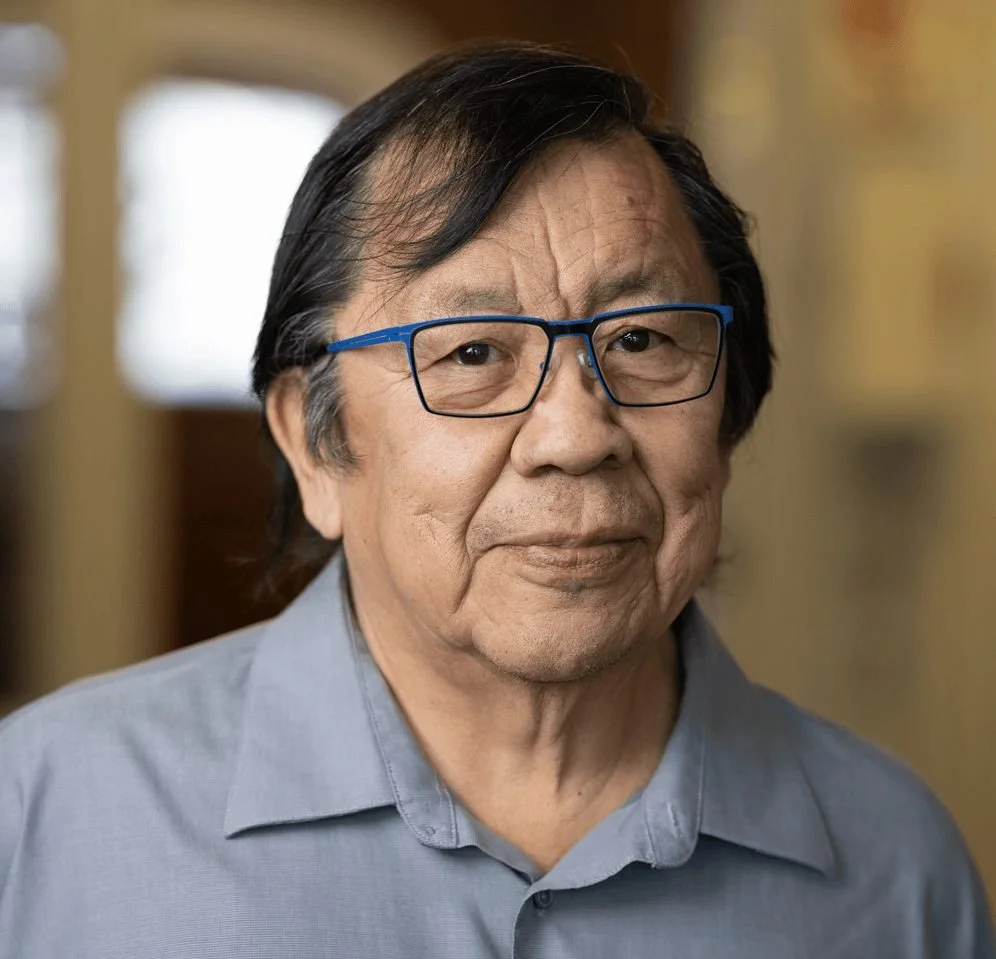
Ogiima Binesii
Elder Philip Painter
Ininiwak Nation
Elder Philip Paynter is a pipe bearer, a fourth-degree Midewiwin of the Minwewewigan Lodge, and a residential school Survivor from Norway House Cree Nation. He has extensive experience as a spiritual advisor, cultural teacher, and counsellor, and brings deep wisdom, compassion, and insight to his work.
Elder Philip is a strong advocate for language and cultural initiatives, generously sharing the spiritual knowledge and traditions of the Ininiwak people. As a residential school Survivor, Elder Paynter passionately educates about its history and lasting impact, emphasizing the importance of knowing one’s heritage and language for self-pride.
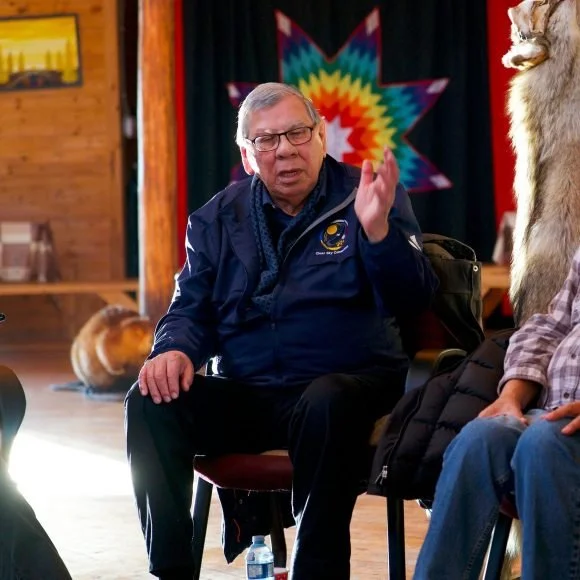
Giizih-Inini
Elder Chief Harry Bone, LL.D., C.M.
Anishinaabe Nation
Knowledge Keeper Dr. Harry Bone, C.M. is from the Keeseekoowenin Ojibway Nation. Knowledge Keeper Bone has worked tirelessly throughout his life to bolster Indigenous rights. He has served extensive terms in many fulfilling roles such as Chief and Director of Education. He also served as a CEO at the West Region Tribal Council, a Director of the Manitoba Indian Education Authority, he is a graduate student in political studies at University of Manitoba, and he was a Student Advisor and Lecturer. He was a Director of Native Programs for the Federal Government, a Vice-President of Aboriginal Cultural Centres of Canada and currently sits as Chairperson of the Treaty Relations Commission of Manitoba (TRCM) Council of Elders, Assembly of Manitoba Chiefs (AMC) Council of Elders, and the National Centre for Truth and Reconciliation (NCTR) Council of Elders.
Elder Dr. Bone is experienced in First Nations Governance, he has led delegations that have met with all levels of government while being instrumental in projects such as the Oral History Project and the Historical Atlas of First Nations in Manitoba.
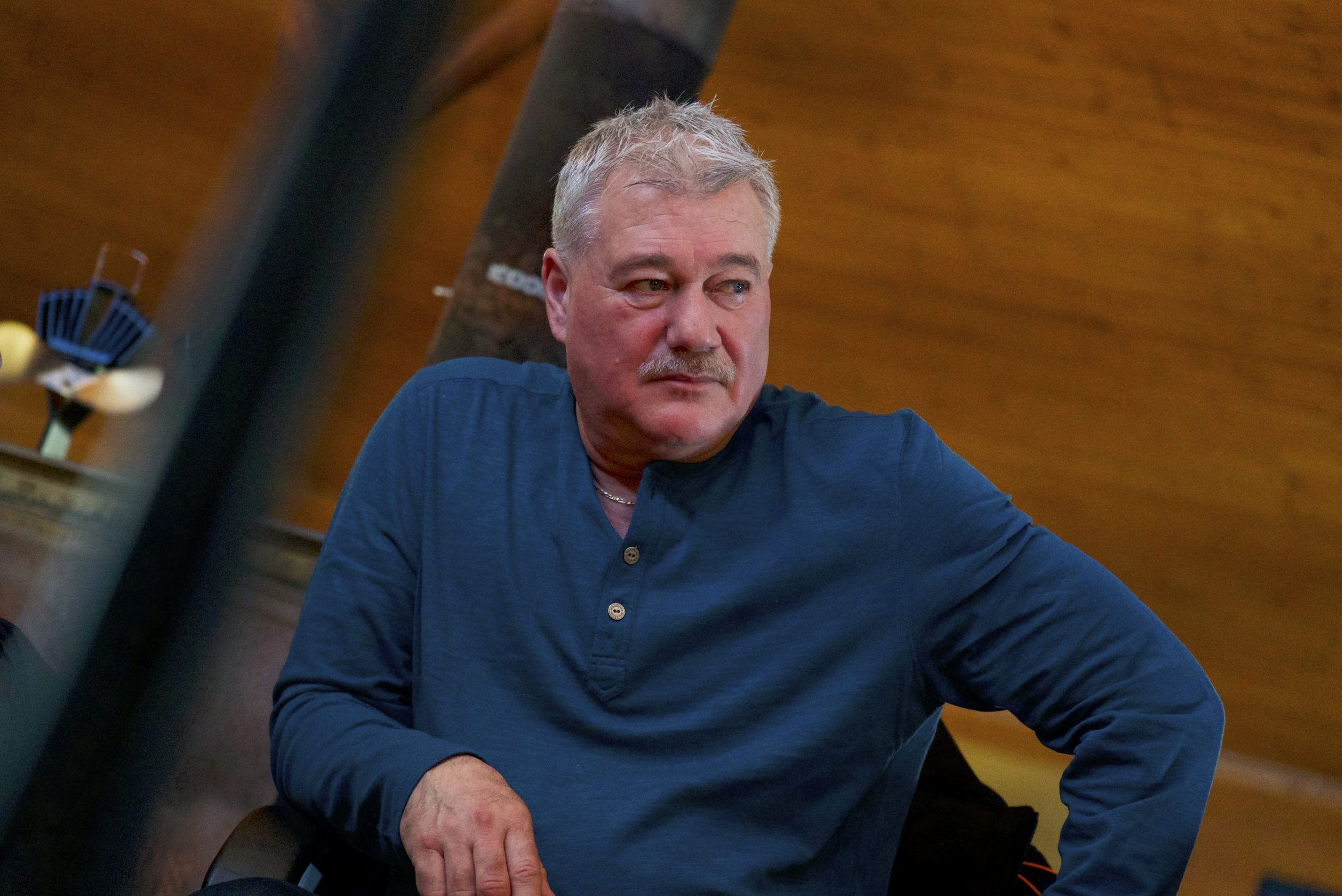
Zoongi Kabowii Miskoo Mushcotay Biishikii
Elder Robert Maytwayashing
Anishinaabe Nation
Chief Robert Maytwayashing was raised in the ways of his people on the Lake Manitoba First Nation, located in the Interlake Region of Manitoba. Robert is a husband of 39 years, a father of three adult children and a grandfather many grandchildren. Robert continues to hunt, fish, gather and on occasion trap as was taught to him by his family. Robert considers himself fortunate that he has had the privilege of working and learning from many Elders over the years. Robert is fluent in Anishinaabaemowin (Ojibway). Robert is a pipe carrier, sweat lodge keeper and attends the annual ceremony of Sundance, amongst other ceremonies. Robert has also hosted Warrior lodges and Eagle dances to name a few.
Over the years, Robert has served his community of the Lake Manitoba First Nation as both a Council member and Chief. Robert has also worked as a Health Director in two First Nation communities as well as the Senior Health Policy Analyst for the Assembly of Manitoba Chiefs. Robert is currently employed by the Interlake-Eastern Regional Health Authority as the Indigenous Human Resources Development Officer, where part of his function is to provide Cultural Awareness training for the RHA’s 3200 staff.
Robert believes that only through the relearning and sharing of our traditions, ceremonies and cultural contributions can we truly heal our spirits and prosper as a People, Community, Nation and Country.
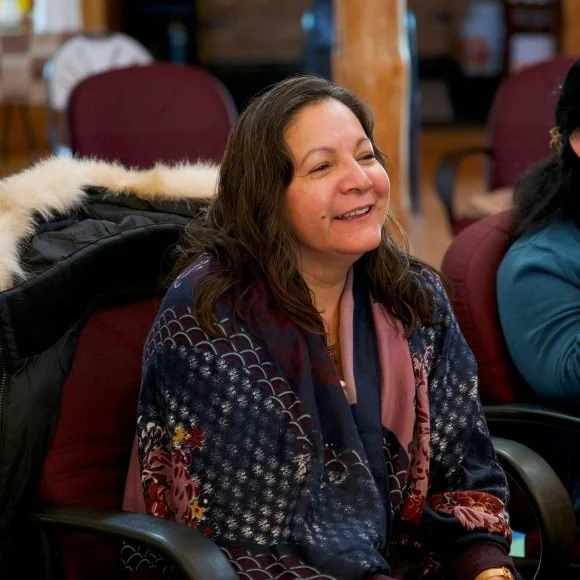
Zoongi Gabowi Ozawa Kinew Ikwe
Grandmother Mary Maytwayashing
Anishinaabe Nation
Mary Maytwayashing (Zoongi Gabawi Ozawa Kinew Ikwe, Strong Standing Golden Eagle Woman) is from the Lake Manitoba First Nation (Animozibeeng – Dog Creek). Mary is an Anishinaabe Grandmother who leads Traditional Ceremonies. Mary’s western educational background is Social Work. Mary’s professional career has been in the areas of Addictions/Substance Abuse, Corrections, Child Welfare and Education. Mary’s greatest learning has come from the Traditional Knowledge and Wisdom Holders with whom, she has had the privilege of working with. Mary has had the fortune of working with people from all walks of life.
Mary’s passion continues to be in assisting and educating people about the Original and Ancient ways of the First People to these lands. Mary has facilitated along side Grandmothers and Elders teaching young girls and women on the Rites of Passage teachings, Makoose Ka Win (Little Bear Teachings). Mary’s inspiration comes from experiencing and seeing the smiles on people’s faces when they learn the Teachings of their people. Mary believes that we are all born and gifted with a purpose. As humans we need to find what our purpose is. This can be done through our ceremonies and teachings. Mary continues to live her purpose by honoring and facilitating the teachings and sharing with the people.
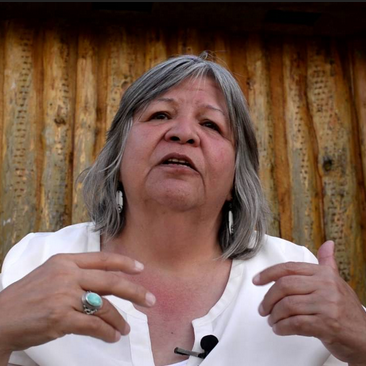
Grandmother Jane E. Meader
Mi’kmaw Nation
Knowledge Keeper Jane Meader comes from the traditional lands of Unama’ki, that are now more commonly known as Cape Breton Island on the East Coast of Canada. She is a mother of six and a grandmother of seven. She was raised and continues to live in Membertou.
Knowledge Keeper Meader has a long career as a teacher of the Mi’kmaw language and culture, having extensive and diverse experiences in the professional educational arena as a developer, writer and implementer for Mi’kmaw cultural activities and events for many schools throughout Nova Scotia. Her formal education includes a Certificate in Early Childhood Education from the Frobel Centre for Early Childhood Education, a Certificate in Northern and Native Education from McGill University, a Bachelor of Arts Community Studies from Cape Breton University, a Bachelor of Education from St. Francis Xavier University, and a Masters of Education from St. Francis Xavier University.
Knowledge Keeper Jane has taught for both St. Francis Xavier University and Cape Breton University, and has been teaching on a part-time basis with M Ed cohorts specializing in Indigenous Education and Culturally Responsive Pedagogy. She is the Mi’kmaw Language Coordinator for the Membertou Band Council, serves on the Mi’kmaw Language Advisory Committee for Mi’kmaw Kina’matnewey and acts as an advisor to the Nova Scotia Department of Education in Mi’kmaw Studies and Treaty Education.
Having institutional knowledge, Knowledge Keeper Jane is able to realize one of her biggest initiatives; preserving and promoting Mi’kmaw heritage by working with various people and organizations to keep the language alive, often layering her language lessons with culture and ceremony. Being a pipe carrier and spiritual teacher, she is frequently invited to various communities in the Atlantic Region to provide guidance to those who seek it.
As a Mi’kmaw woman, Knowledge Keeper Jane embraces, acknowledges and continues to learn her ancestral ways so that she may practice and apply traditional philosophy and principles in her daily life. Although a university graduate, Jane considers the lessons she has received from the elders as the most significant and valuable education provided to her.
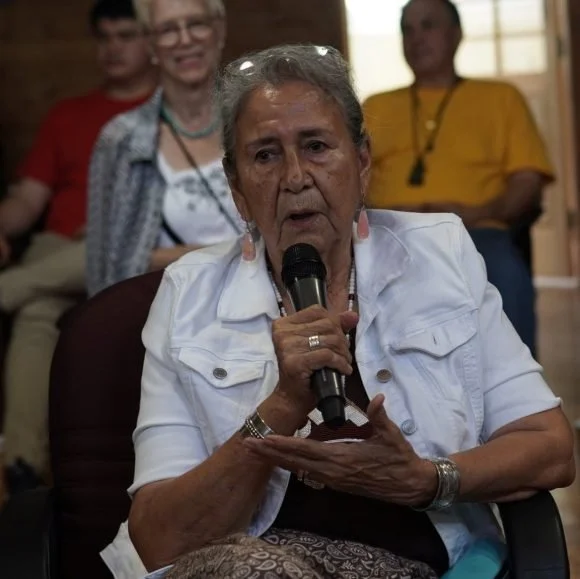
Grandmother Betty Ann Littlewolf
Piikani Nation
Grandmother Betty Ann is a Blackfoot member of the Piikani First Nation, near Brocket, Alberta, Canada. She is married to Morris Little Wolf. They work very closely together and support one another on various boards that they are a part of. Maurice and Betty Ann operated a group home on the reserve for Peigan Children’s Services from 1986 to 1990. They also took many children into their home. They adopted a baby girl born in 1982; today she is a police officer trained in Regina with the RCMP. This is their beautiful success story.
Grandmother Betty Ann was employed (now retired) for over 21 years as a Native Liaison Counselor at F.P. Walsh High School, Livingston School Range Division, in Fort Macleod, Alberta. She organized and facilitated Family Group Conferencing sessions and “Healing the Child Within” weekly sessions for grade 10 to 12 students.
As a Native Liaison Counselor she strongly believed in positive role modeling and building positive relationships with students, staff and parents. She worked alongside and supported the students, parents, teachers and other staff members.
Grandmother Betty Ann practices her customs, traditions, beliefs and spiritual values, and respects all, as she believes Blackfoot culture is key in fostering a connection to identity, as it restores pride and resiliency. She is a practicing member of the Buffalo Women’s Society.
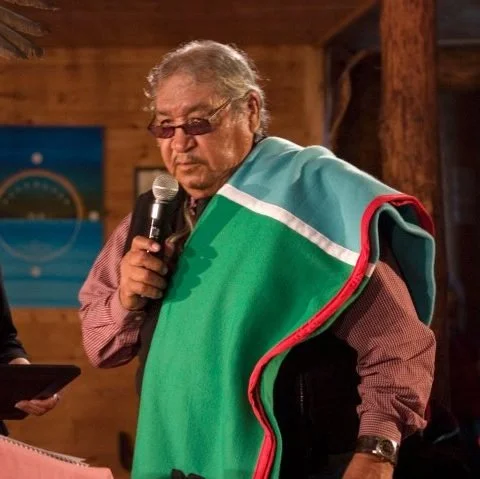
Elder Morris Littlewolf
Piikani Nation
Elder Morris Little Wolf is a Blackfoot member of the Piikani First Nation that entered into Treaty with the British Crown in 1877. He is married to Betty Ann Little Wolf, formerly Crow Shoe, of Piikani First Nation.
In 2017, Elder Morris and his wife Betty Ann were selected by the Assembly of First Nations (AFN) to sit on the National Elders Council of Canada. Elder Morris is a member of the Elders’ Indigenous Bar Advisory panel with the Federal Court Judges. He sits on the Board for Calgary Homeless. In addition, he is a marriage commissioner for the Province of Alberta.
In 1993, Elder Little Wolf was introduced as the R.C.M.P. Elder Representative for the Aboriginal Policing Program, as the only First Nation Elder representative on the R.C.M.P. in Canada. He has represented his approach in Canada, the United States in Europe. Elder Morris was sworn in as a full-time Elder Special Constable with the Royal Canadian Mounted Police on November 5, 1997. He was very instrumental in integrating his knowledge of native beliefs into his day-to-day duties. His spiritual, cultural and traditional values and philosophies are always reflected when he addresses the spiritual, emotional, physical and mental stability of individuals and groups involved in their work.
Elder Morris has been involved with the Alternative Measures Programs since 1995. These programs are being utilized at the Piikani First Nation R.C.M.P., the Community Justice Forum, and traditional healing circles. The implementation of cross-cultural camps, for awareness of the First Nation, was done with his exceptional expertise. Through these cultural camps and workshops, Elder Morris worked hard in bringing his teachings and approach to schools, the R.C.M.P., and the remarkable street people in attendance.
Elder Morris’ workshops on Identity have helped our People become more aware of how to identify and express feelings, and work on how to obtain and maintain a sense of pride and dignity, as well as the essence of responsibility and respect that our People treasure and value.
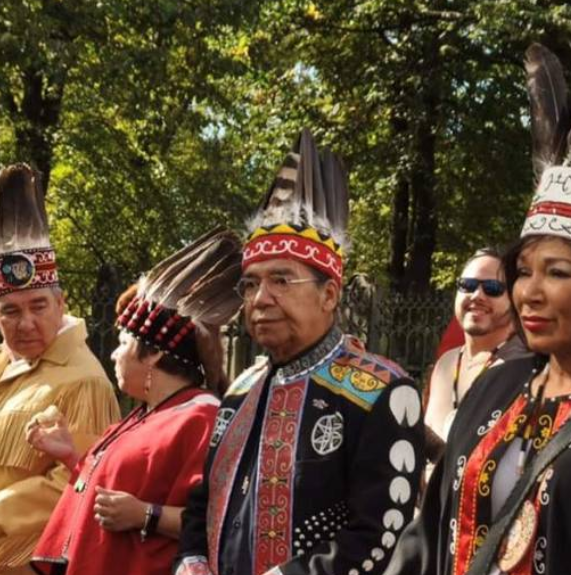
Hereditary Chief Stephen Augustine
Mi’kmaw Nation
Hereditary Chief Augustine holds a Masters degree in Canadian Studies from Carleton University (Ottawa) focussing on traditional knowledge curriculum development in the context of the education system. He obtained a B.A in Anthropology and Political Science from St Thomas University (N.B) in 1986.
Over the years, Hereditary Chief Augustine has shared his expertise in research and traditional knowledge with many organizations, including government departments, the Assembly of First Nations, and various Aboriginal communities across Canada. He is part of an advisory panel on biodiversity issues and has worked extensively with the United Nations programs on development and the environment.
He has been accredited as an expert witness in various court cases, involving Aboriginal access to resources in the Maritimes, being recognized for his knowledge both of oral history and ethno-history, and of the treaties in the region. He has recently been named the recipient of the 2009 National Aboriginal Achievement Award for Culture, Heritage and Spirituality and the 2009 New Brunswick Lieutenant-Governor’s Dialogue Award. He has also been named (fall 2008) member of the Sectoral Commission for Culture, Communication and Information for the Canadian Commission for UNESCO. He has been Elder Advisor to the Federal Court of Canada Judges, the Truth and Reconciliation Commission and the Human Rights Commission of Canada. On July 8,2020 appointed Nova Scotia Health Board of Directors. In his role as a hereditary Chief on the Mi’kmaq Grand Council and by Elders’ training since an early age, Stephen J. Augustine has a thorough command of traditional practices, his language and the history of his people.
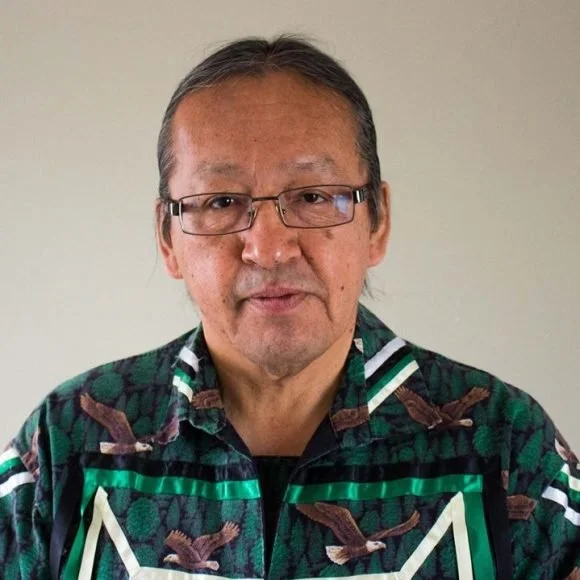
Elder Ed Sackaney
Cree Nation
As an Indigenous person of Turtle Island and being in a residential school for a few years, Knowledge Keeper Ed Sackaney has committed to and embraced the positive cultural/Spiritual values as provided by his Nation. Ed was taught to have humility, self respect/respect for others and always to nurture his holistic being. The following prayer was shared by a Knowledge & Wisdom Keeper during my infancy of personal healing and since given the affirmation, Ed continues to be reminded to keep moving forward.
Affirmation of Caregivers
I open the healing energy of the prayers and blessings of my Grandfathers and Grandmothers. By the mere that I was as Mushkegowuk Inninew, I have already been blessed by the generations that were.
I allow the healing prayers of my Grandfathers and Grandmothers to make me whole again. To clear the clogged hurting holes in my being, to let their loving blessings comfort and to remove the loneliness, the feeling of powerlessness accumulated in my physical body throughout my life path on Mother Earth.
I honour the Great Creator by opening my heart and mind to the way given to my ancestors. Respect was kindly given to me by them before I was conceived, and my response to that respect is to focus healing on my people now.
I let go of aggravation, anxiety and anger for I do not need them to be who I want to be: a healer, a sincere caregiver, and a trusted helper. I release from my being, the hurts I have collected and hung on to from my past.
I see, hear and feel healing happening in me and around me. I let my protective shell crumble in the warm living attitude the Great Creator has endowed for me as my birthright!!….
“As an Indigenous person working with the Original people of Turtle Island in the past and present, it certainly has been a super good ride. This prayer first shared over 30 years ago has provided a holistic and a personal strong road to keep persevering. I am honoured.”

Elder Chief Darrell Bob
St’at’imic Nation
Elder Chief Darrell was raised by his grandparents on a small farmhouse in St’at’imc Nation (Lillooet, BC), with the teachings of the language, traditional knowledge, and way of life of his ancestors.
In 2006, he became a chief of the Xaxli’p community for a four-year term, then again in 2014 to 2018, and currently from 2022-2026. During his time as Chief for his community, Elder Chief Darrell has received many significant political teachings about the importance of the land and people. He w taught by Elders to “look at the whole territory when your make a decision,” not just the narrow scope of an initiative. The Elders always remind him, “what you do to one you do to all,” which includes our Mother Earth! “Being stewards of these lands, it is our responsibility to look after Her and nurture Her to the best of our ability, so she can continue to provide for us!”
In 2009, Elder Chief Darrell was honoured by the St’at’imc Nation Chiefs to help initiate the International Indigenous Leadership Gathering in Lillooet, BC. For eight years, he continued working on this gathering of Indigenous spiritual leaders, Elders, healers, and educators on sharing their Sacred Teachings and Traditional ways with the human family. Each year this gathering has doubled in attendance, peaking at about 2,500 people.
Dene Nation
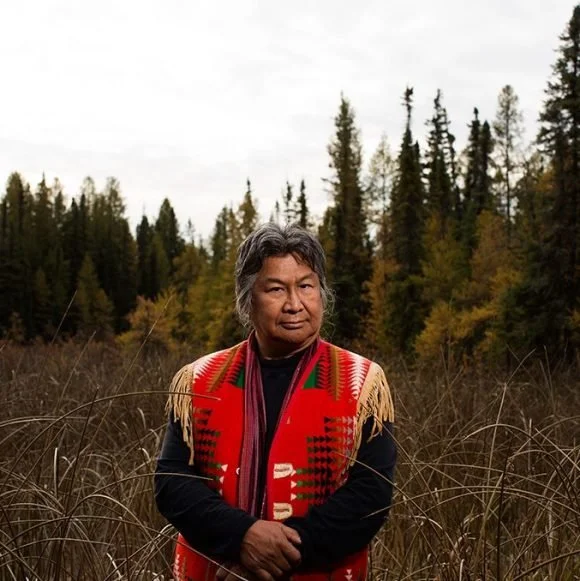
Elder Stephen Kakfwi is a lifelong leader in Indigenous rights, environmental stewardship, and reconciliation.
He served as Premier of the Northwest Territories, and as National Chief of the Dene Nation, representing Chiefs of Treaties 8 and 11. He led community consultations for the “Berger Inquiry” into a north-south gas pipeline proposal across the Dene homeland. He led and hosted the visit of Pope John Paul II to northern Canada.
A husband, father and grandfather, he shares his heroes, homeland, and residential school experiences in his songs and stories.
Elder Stephen Kakfwi
Inka Antaurko Patsakamaq
Inka Nation
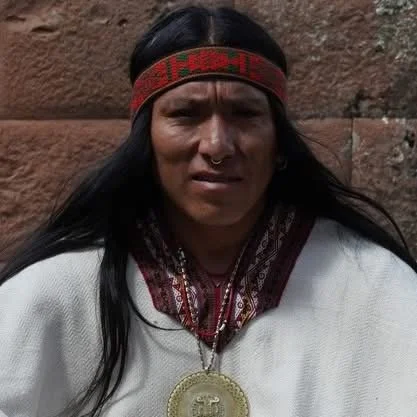
Antuarko is a Spirtual Leader from the ancient Tawantinsuyo region, known collectively as South America. He is recognized as an Inka Amauta (Spiritual Guide) by the Counsel of Elders of South America for his high level of understanding of the Inka Cosmovision.

Antaurko’s wisdom and love for all creation has fuelled his motivation to conserve, practise, teach and share his ancestral cultural knowledge to the new generation of his community and the world. In 2016, Antaurko initiated the “1st Intercontinental Gathering of First Nations” in Huaraz and Chavin de Huantar, Peru. He has participated in ceremonial gatherings of first nations of AbyaYala (North, Central and South America) and the world. Antaurko founded Wasy Kamaq, centre of Inka Ancestral Knowledge, based on the values and principles of the Inka culture, for the benefit of his nation, Indigenous nations of the world and all of humanity.